
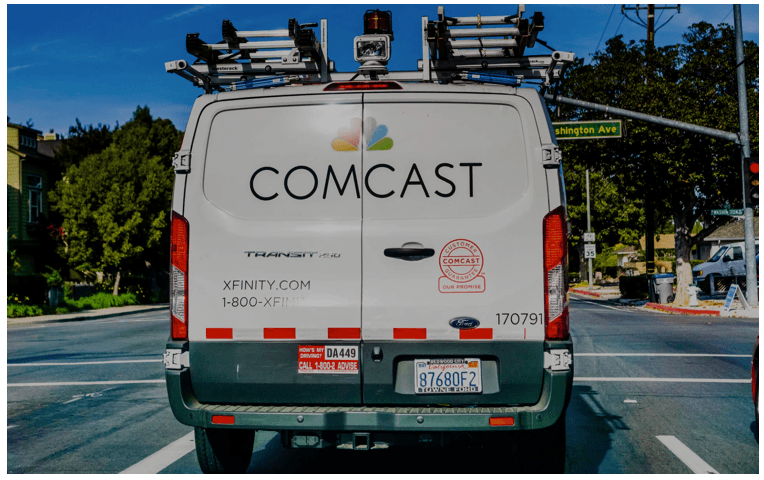
The Death of Live TV: Less Than 8% Of All TV is Watched Live on The Top 10 Largest Cable TV & Live TV Services Like YouTube TV, Comcast, Spectrum, & More
In a stunning revelation highlighting the rapid evolution of television consumption habits, the combined share of major cable providers and live TV streaming services has plummeted to less than 8% of total TV viewing time in the United States during November 2025. This marks a profound shift in how Americans engage with television content, even amid peak sports seasons that traditionally bolster live viewing according to Nielsen’s November 2025 report. Increasingly, outside of live sports and breaking news, most TV is being watched on-demand.
November typically features high-profile events capable of drawing massive audiences to linear broadcasts, including the winding down of college football, intense NFL matchups, and the early games of the NBA season. Despite these attractions, viewers allocated only about 8% of their total TV time to services delivering live channels, such as prominent virtual multichannel video programming distributors (vMVPDs) and traditional cable operators. Services like YouTube TV, Hulu + Live TV, and others, along with cable giants including Comcast and Spectrum, collectively captured this diminished portion.
The data underscores a broader trend where convenience and control over viewing schedules have overtaken the appeal of scheduled programming. Even conservative estimates suggest that smaller providers contribute minimally to the overall picture, likely adding less than 2% more. When accounting for these, the total for all live linear TV delivery still hovers below 10%, leaving the vast majority—over 90% in some analyses—of TV consumption devoted to on-demand platforms. (Though even if you double the number, it’s still less than 16% of total viewership in November 2025.)
This dominance of on-demand viewing means platforms offering flexible, binge-friendly content now command the lion’s share of attention. Services such as Netflix, Disney+, Hulu’s on-demand library, Prime Video, and numerous others provide libraries accessible at any time, without the constraints of live schedules. Viewers increasingly prefer curating their own experiences, pausing, rewinding, or marathon-watching series rather than adhering to broadcast timetables.
The implications for the television industry are significant. Traditional cable operators and live streaming services face mounting pressure as subscriber bases erode and advertising models adapt to fragmented audiences. Content creators and networks may accelerate investments in on-demand originals, while live events like sports could remain one of the few remaining anchors for linear viewing. However, even sports are increasingly supplemented by highlights, replays, and condensed versions available post-broadcast on streaming apps.
According to detailed breakdowns from industry measurements for November 2025, the top providers of live TV services ranked as follows in terms of their share of total TV viewing:
- YouTube TV: 2.39%
- Spectrum: 1.57%
- Hulu + Live TV: 1.22%
- DirecTV: 0.90%
- Comcast: 0.64%
- Sling TV: 0.44%
- Fubo: 0.35%
- Philo: 0.20%
- Cox: 0.06%
- Frndly TV: 0.02%
Summing these figures yields approximately 7.79%, aligning closely with the under-8% threshold for the leading players. This list illustrates the fragmentation within the live TV sector, where no single provider dominates substantially.
As the holiday season approached and year-end reflections on media habits emerged, this data painted a clear picture of irreversible change. Americans have embraced a future where television bends to their schedules, prioritizing vast on-demand catalogs over real-time broadcasts. The era of appointment viewing appears increasingly relegated to niche events, while everyday entertainment flows through streaming pipelines. This transformation not only reshapes consumer behavior but also challenges legacy media companies to innovate or risk further marginalization in an overwhelmingly on-demand landscape.
Latest
More from the site
Daniel
Beginner Walking Series: How to Work Up to 10,000 Steps a Day
Many people prioritize structured workouts, but neglect the importance of simply moving. Moving more often each day is one of the easiest ways to improve your overall health and fitness. One way to d
Read post
Daniel
The Must-Have iOS 26 Feature for Every Traveler: Why Flighty Pro Just Leveled Up
I have no business relationship with the company behind Flighty. I just love this product and it has been my go to app for when I travel. It is simply amazing. With the updates for iOS26 it has go
Read post
Daniel
YouTube is killing traditional television
YouTube is killing traditional television In a seismic shift reshaping the television landscape, YouTube has emerged as the most-watched TV provider in the United States for 2025, according to compre
Read post